
Budgeting for Beginners: Take Control of Your Money

A budget gives you a practical way to see where your money goes and make room for what matters most. It doesn’t have to involve complicated spreadsheets or strict rules. You can start with a few numbers, make a plan for the month, and change it as you learn more about your spending.
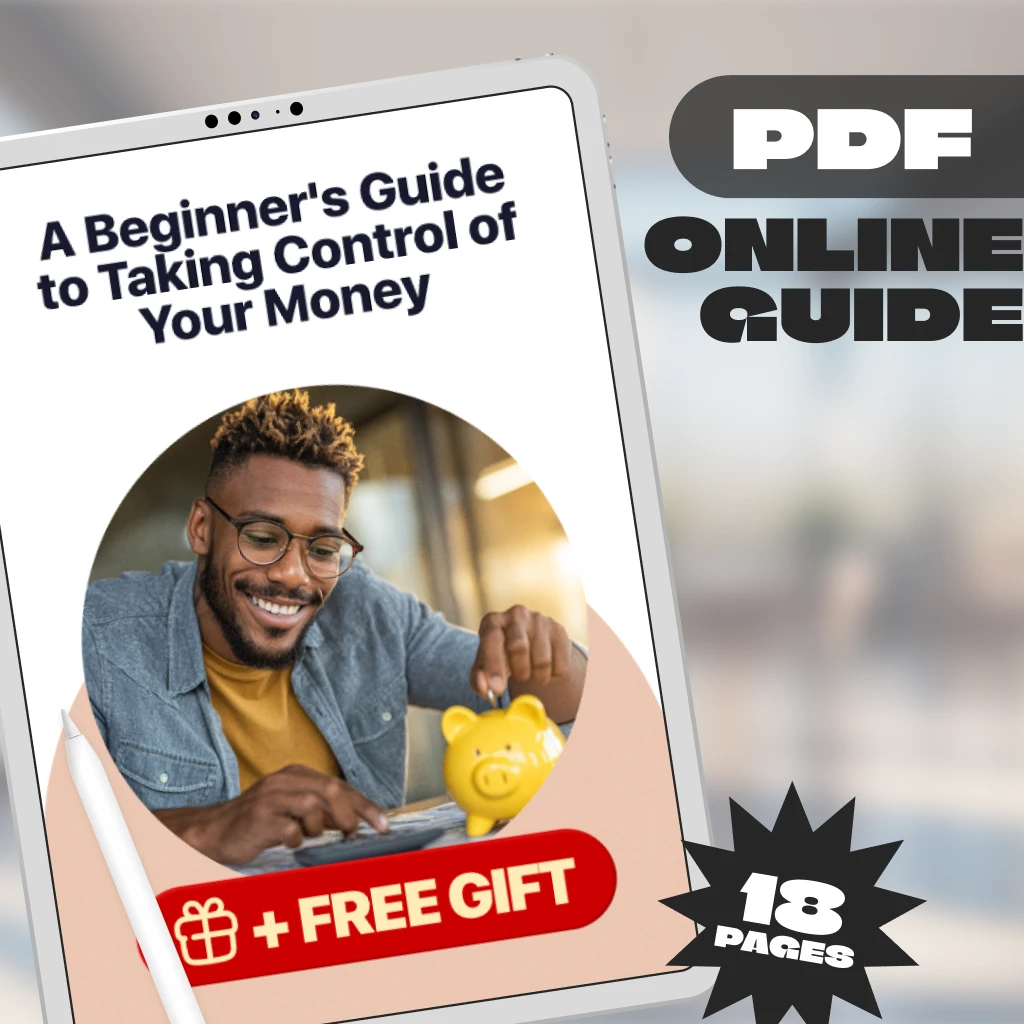
If you want a guide as you get started, our budgeting for beginners ebook is a digital download designed to help you learn how to budget and organize your personal finances.
Start With a Clear Picture of Your Money
Begin by writing down your monthly take-home income: the money you receive after taxes and other deductions. Include regular pay and any other dependable income. If some income changes from month to month, note that separately rather than assuming your highest month is typical.
Next, gather recent bills, bank statements, and other spending records. Look for essential expenses such as housing, utilities, groceries, transportation, and minimum debt payments. Then identify flexible expenses, which might include dining out, entertainment, and subscriptions.
Don’t worry if the first list isn’t complete. Small purchases and occasional bills are easy to miss, and your records may reveal spending you didn’t expect. A budget is a plan you can adjust, not a test you have to pass perfectly.
Build a Simple Monthly Budget
Once you have your income and expenses, group your planned spending into essentials, flexible spending, savings, and debt payments. Include minimum debt payments among your essentials, then decide whether you can put additional money toward debt or savings.
Subtract everything you plan to spend or set aside from your take-home income. If the result is negative, revisit your categories. You might reduce a flexible expense, pause a subscription, or change a savings target while you work on covering essential bills.
Example Monthly Budget
| Category | Example amount |
|---|---|
| Take-home income | $2,500 |
| Essential expenses | $1,500 |
| Flexible spending | $500 |
| Savings and extra debt payments | $300 |
| Remaining cushion | $200 |
This example is a starting point, not a prescribed allocation. Your housing costs, income, debt obligations, and priorities may lead to a very different plan. The $200 cushion can help cover an unexpected expense or stay available until you decide where it’s needed.
For another straightforward overview of the process, see Making a Budget from Consumer.gov.
Make Your Budget Work in Real Life
A useful budget is one you return to. Set a regular time each week to compare your spending with your plan. You don’t need to review every purchase for hours; a quick check can show whether a category needs attention before the month is over.
For example, if grocery spending is running higher than planned, you might shift money from entertainment rather than abandon the whole budget. Record the change so you know what remains available in each category.
It also helps to plan for irregular costs. Annual fees, car repairs, gifts, and medical expenses may not appear every month, but they can still affect your finances. When possible, estimate an amount you’ll need and set aside a little each month. Even a modest contribution can make a future bill easier to handle.
At the end of the month, review what worked and what didn’t. If your income or expenses change, update the next month’s plan. Your budget should reflect your current circumstances rather than an ideal month that rarely happens.
Explore Our Budgeting for Beginners Ebook
Our budgeting for beginners ebook is a digital guide for learning how to budget. It’s relevant if you’re beginning to organize your personal finances and want a resource focused on getting started. The listed price is $5.99; visit the product page to purchase the download.
As you build your budget, you may also want to plan for longer-term goals such as travel. Our travel deals with AI ebook is a separate digital guide for exploring travel savings. Consider a purchase like this within your flexible spending, after accounting for essentials and your other priorities.
Our team encourages you to start with the numbers you have today. A simple plan that you revisit can be more useful than waiting until you have every detail figured out.
Before choosing, compare the product details with your daily routine, available space, care needs, and preferred setup. The strongest option is usually the one that fits the intended use clearly and remains simple to clean, store, and check before repeat use.
It is also worth checking measurements, material notes, included parts, and compatibility details so the item matches the way it will be used after delivery.
FAQ
How do I start a budget if my income changes each month?
Start with a conservative income estimate and prioritize essential expenses. Revise your plan as income arrives, directing any additional money toward your priorities.
What if my expenses are higher than my income?
Review flexible costs for reductions and prioritize essential bills. If the gap persists, seek reputable financial guidance to help explore your options.
Is the budgeting guide a physical book?
No. Our budgeting guide is an ebook digital download, not a physical book.








Leave a comment