
Running for Mental Wellbeing: A Gentle Beginner’s Guide
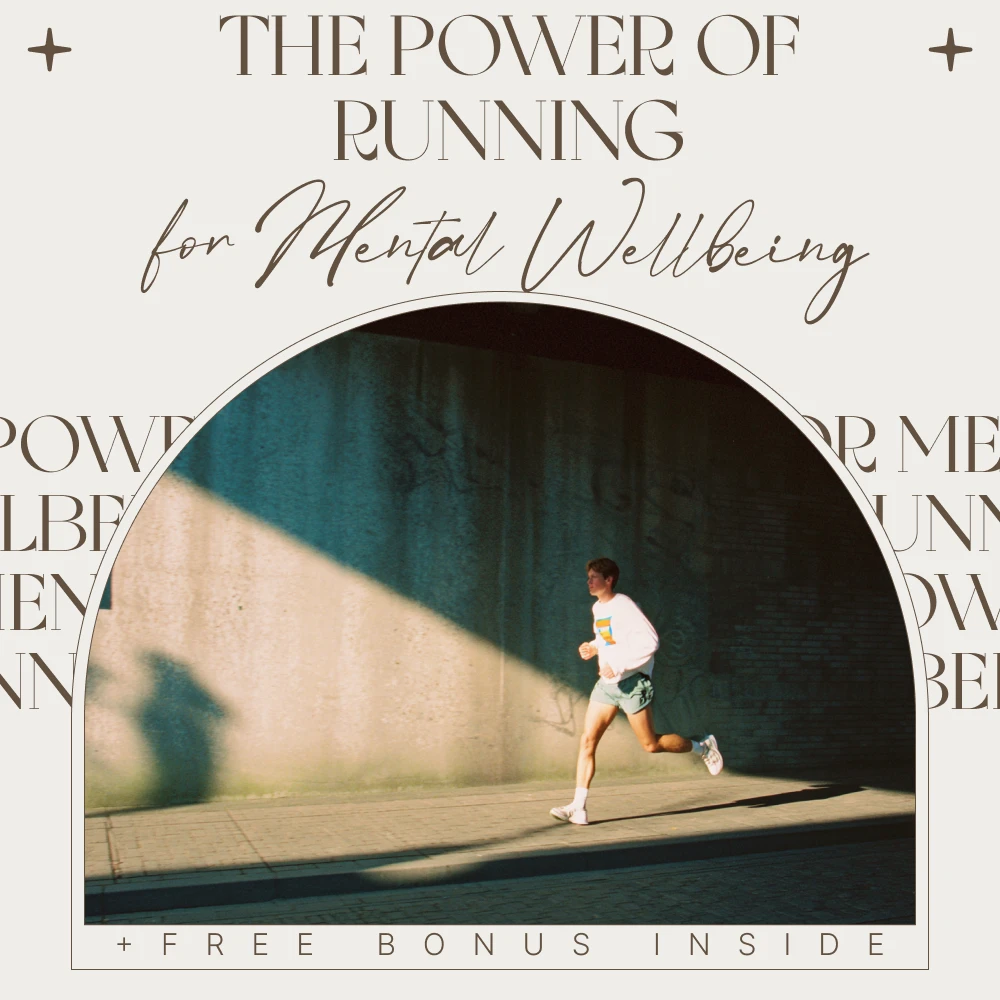
Running can offer a simple way to make room for movement in your day. You don’t need to chase a fast pace or train for a race to begin. A few comfortable minutes of walking and jogging may be enough to help you establish a routine that fits your life.
Our team put together this practical guide for anyone interested in the connection between movement and mental wellbeing. Start gently, pay attention to how you feel, and remember that your routine can change as your needs do.
How Running Can Support Mental Wellbeing
Regular physical activity can support mood, sleep, and stress management. The Centers for Disease Control and Prevention notes that physical activity can provide mental health benefits, though your experience will be personal. Some days you may feel refreshed afterward; on others, the biggest benefit may simply be taking a break from your usual surroundings.
A manageable running routine can also give your week a little structure. Choosing a time to move, following through, and noticing that a familiar route feels easier can create a sense of accomplishment. That achievement doesn’t depend on a particular speed or distance.
Running is one possible support for wellbeing, not a replacement for therapy, medication, or other mental health treatment. You can use movement alongside professional care in a way that suits your circumstances.
Start With a Pace That Feels Sustainable
Begin with short periods of easy jogging alternated with comfortable walking. Leave rest days between sessions so you have time to recover and notice how your body responds. A conversational pace—one at which you can speak in sentences—is a useful guide for keeping the effort gentle.
Repeat a session that feels manageable before adding more jogging time. There’s no need to increase distance or speed every week. If running doesn’t feel suitable, walking alone is a worthwhile way to move.
| Stage | Approach | Focus |
|---|---|---|
| Getting started | Alternate short periods of walking and easy jogging | Find a comfortable rhythm |
| Building consistency | Repeat manageable sessions with rest days | Notice energy and recovery |
| Progressing | Gradually extend jogging time if comfortable | Avoid rushing increases |
You might begin by walking for a few minutes, jogging briefly, and returning to a walk whenever you need to. Finish with a comfortable walk. Adjust the balance of walking and jogging to suit your energy, and give yourself permission to repeat the same approach for as long as it works.
Make Your Runs a Moment to Reset
You don’t have to turn a run into a formal mindfulness exercise. Try noticing your breathing, the feeling of your feet on the ground, or a few details along your route. If focusing inward feels uncomfortable, direct your attention to familiar sights and sounds instead.
A familiar route can make getting started feel simpler. Running or walking with a friend may add connection and help you keep the pace conversational. If you prefer solitude, choose a time and place where you feel comfortable.
You can also make a brief note of your mood or energy before and after a session. Look for patterns over time rather than expecting every outing to improve your day. A difficult run is not a measure of your progress or your self-worth; it may be a useful reminder to rest or adjust your plans.
Explore the Running for Mental Wellbeing Guide
If you want a resource focused on the connection between running and mental health, explore The Power of Running for Mental Wellbeing guide. It is listed at $11.99 USD and is currently in stock. Consider it one part of a personalized wellbeing routine that may also include rest, social support, and professional care.
Keeping a routine flexible can matter when you’re away from home, too. If you’re planning a trip, our travel deals with AI digital ebook is another in-stock resource to explore for trip planning. You can keep movement simple while traveling, whether that means a short walk or an easy jog on a familiar route.
Know When to Slow Down or Seek Support
Ease back or stop if you experience pain, dizziness, or other unusual symptoms. Seek medical advice when appropriate, and get urgent help for severe symptoms or an emergency. If you have an injury or health concerns, consult a healthcare professional before starting a running routine.
If mental health symptoms persist, worsen, or interfere with daily life, reach out to a mental health professional or another qualified healthcare provider. You don’t have to wait until a running routine feels “successful” to ask for support.
There are many ways to be active, and you can choose what is practical and enjoyable for you. The World Health Organization’s physical activity guidance offers broader information about movement and health. Your best starting point is one you can approach with patience and adjust as needed.
FAQ
Can running improve mental wellbeing?
Physical activity can support mood and stress management, but experiences vary. Running is not a substitute for mental health treatment.
How should a beginner start running?
Start with comfortable walking and jogging intervals, with rest days between sessions. Gradually add jogging time if it feels manageable.
What if running makes me feel worse?
Reduce the intensity or choose another activity, such as walking. Seek advice from a healthcare or mental health professional if symptoms persist or worsen.








Leave a comment